

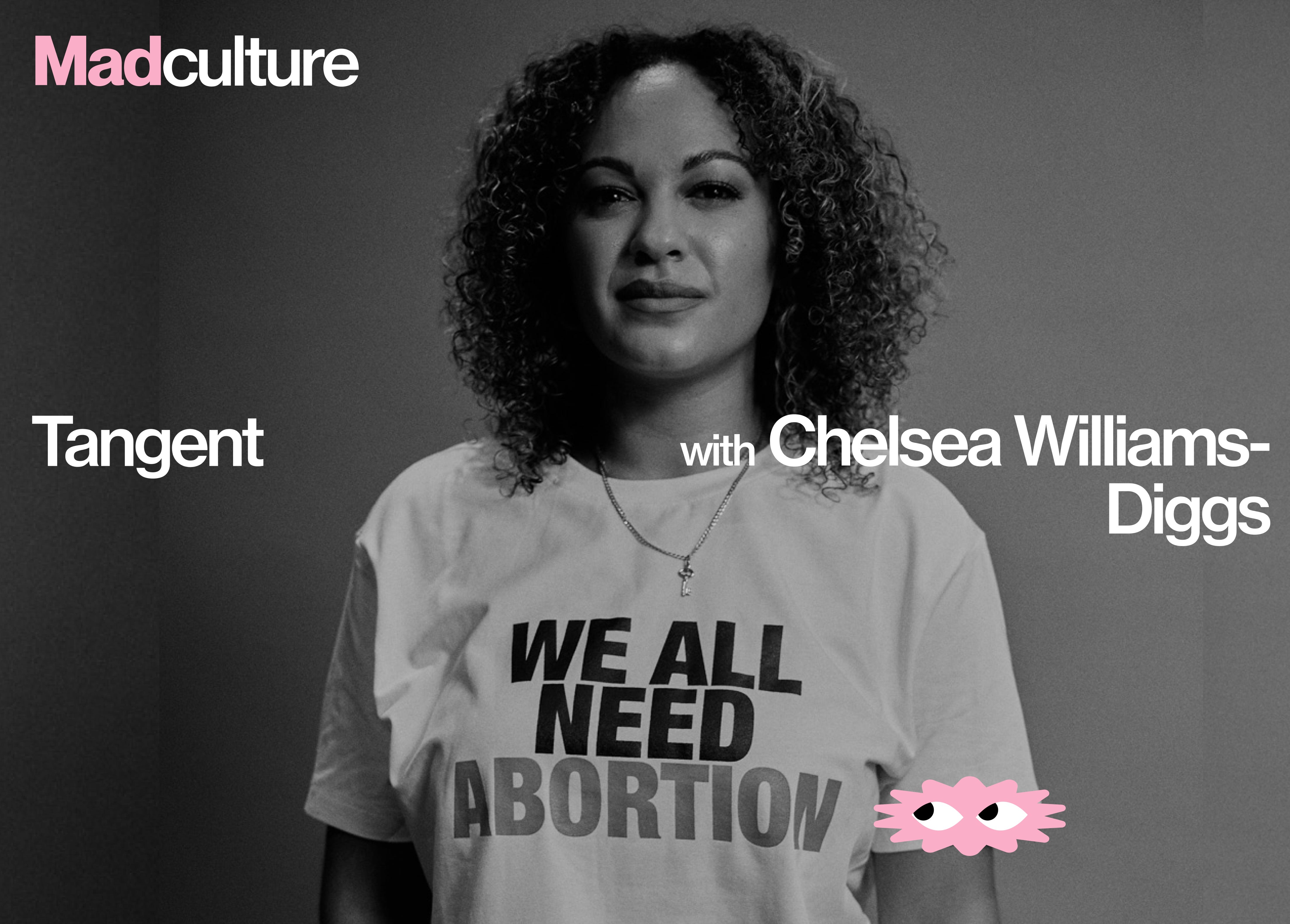
For our final issue on Reproductive Rights, we’re so grateful to welcome Chelsea Williams-Diggs to Madculture.
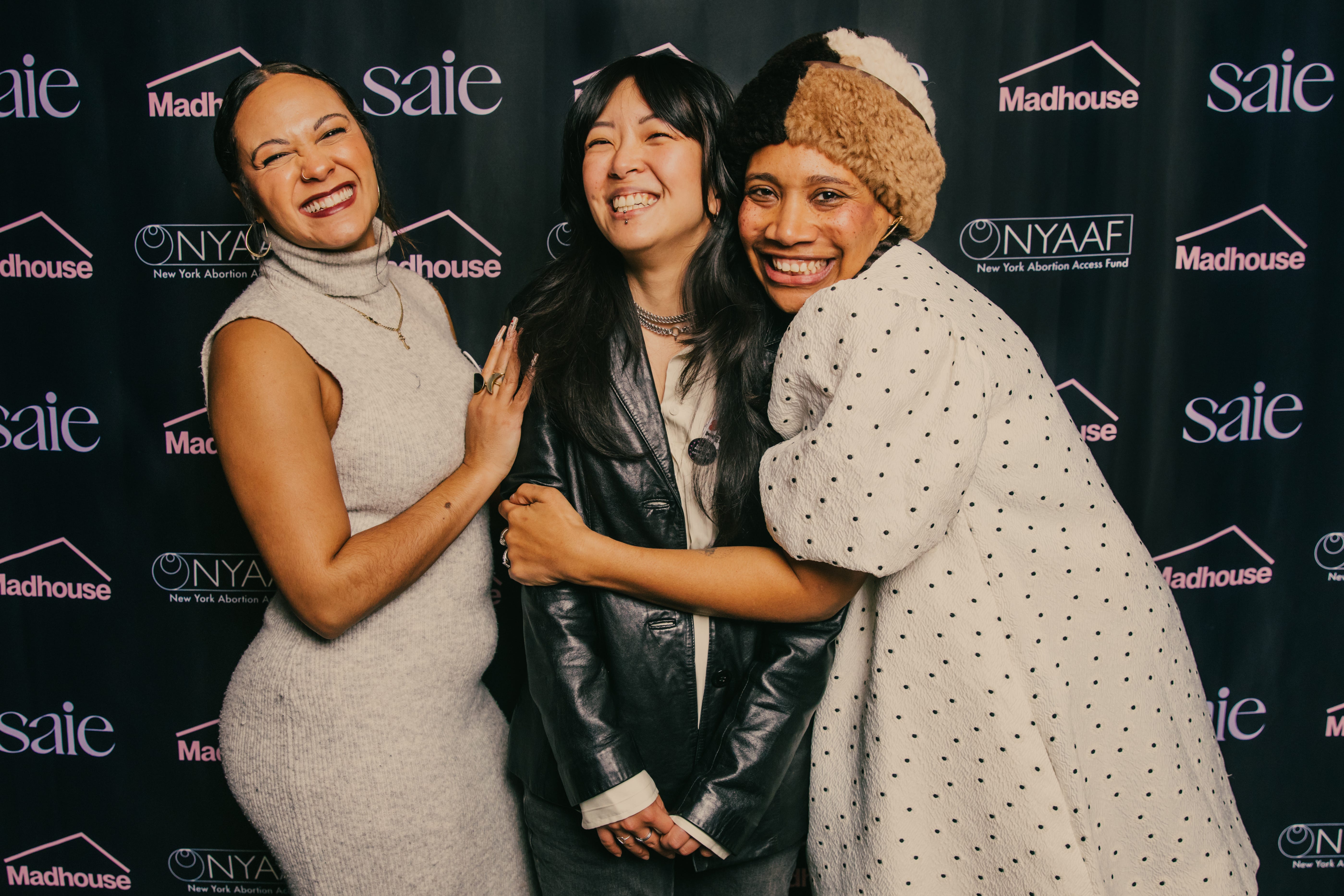
As the Executive Director of the New York Abortion Access Fund, Chelsea is no stranger to Madhouse — together, we organized a fundraiser for abortion access in January at the Cherry Lane Theatre.
As someone on the front lines of the fight for safe and accessible abortions, Chelsea brings a wealth of experience to this week’s issue of Madculture, dissecting how the stigma around abortion permeates our everyday language. Chelsea shows how anti-abortion sentiment can manifest even in progressive spaces, through our preconceived notions of who gets abortions and why.
If you enjoy Chelsea’s issue, make sure to check out NYAAF and the incredible work they do. You can donate to NYAAF here.
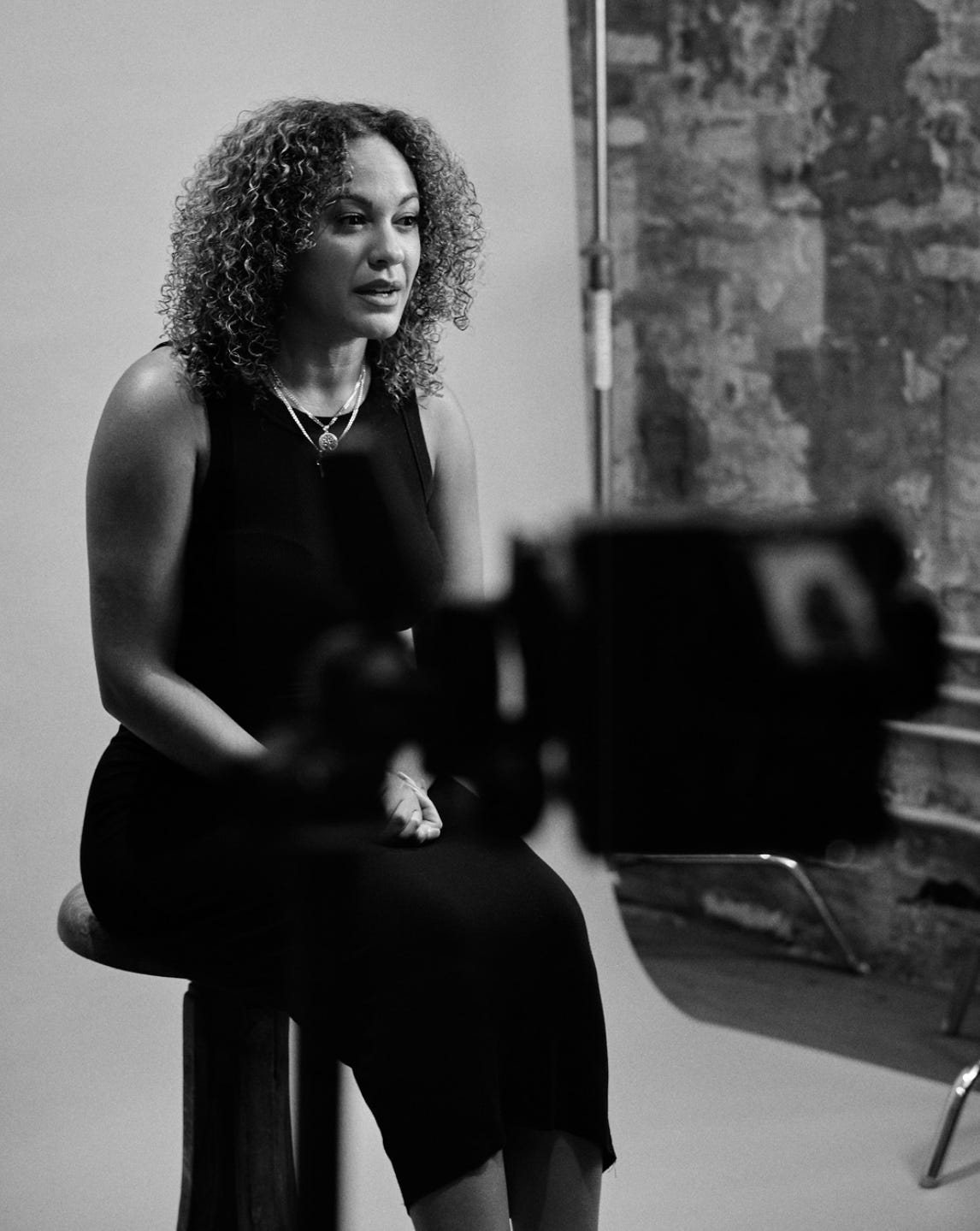
Chelsea is a Black feminist, reproductive justice practitioner, and youth worker. She currently serves as the Executive Director of the New York Abortion Access Fund (NYAAF), leading the organization’s critical work to make abortion access a reality for the most marginalized New Yorkers and the increasing number of people traveling to the state for care. With more than a decade of experience, her work is grounded in her lived experiences and a deep commitment to community care. She has volunteered as a clinic escort, serves an abortion doula, and regularly facilitates workshops and speaks on sex education and reproductive justice. When she’s not ranting about abortion, you can find her on her yoga mat, cuddling with her beloved cat Rihanna, or lost in a good book.
Combatting the ‘Anti’ Within: Challenging Abortion Stigma in Everyday Life
by Chelsea Williams-Diggs
“What do you do?” It’s probably the most commonly asked small-talk question known to humankind. For most, the answer is easy.
I am deeply proud of what I do for a living. And yet admittedly, when I get that inevitable question, whether it be from strangers at a bar, mutual friends, or even distant relatives, I almost always pause before answering. Depending on where I am, who I’m with, or even the mood I’m in, I can give a variety of different answers. Sometimes it is one or a combination of the following: “healthcare access”, “reproductive rights”, “gender equity”, or even simply “I work for a small local non-profit.” What I rarely say is the word at the center of it all: abortion.
While my hesitation to share the full truth is partly rooted in very real concerns around safety, it is also an embodiment of the prevalence of abortion stigma. Abortion stigma exists everywhere and shows up in all of us. And yes, that includes even within me.
I am the executive director of the New York Abortion Access Fund (NYAAF). Every day, I do the beautiful work of advancing reproductive justice and supporting the most marginalized New Yorkers, and increasing number of people traveling to New York from banned and restricted states, to access the abortion care they need and deserve. I quite literally live, breathe—and facilitate access to—abortion all day, every day.
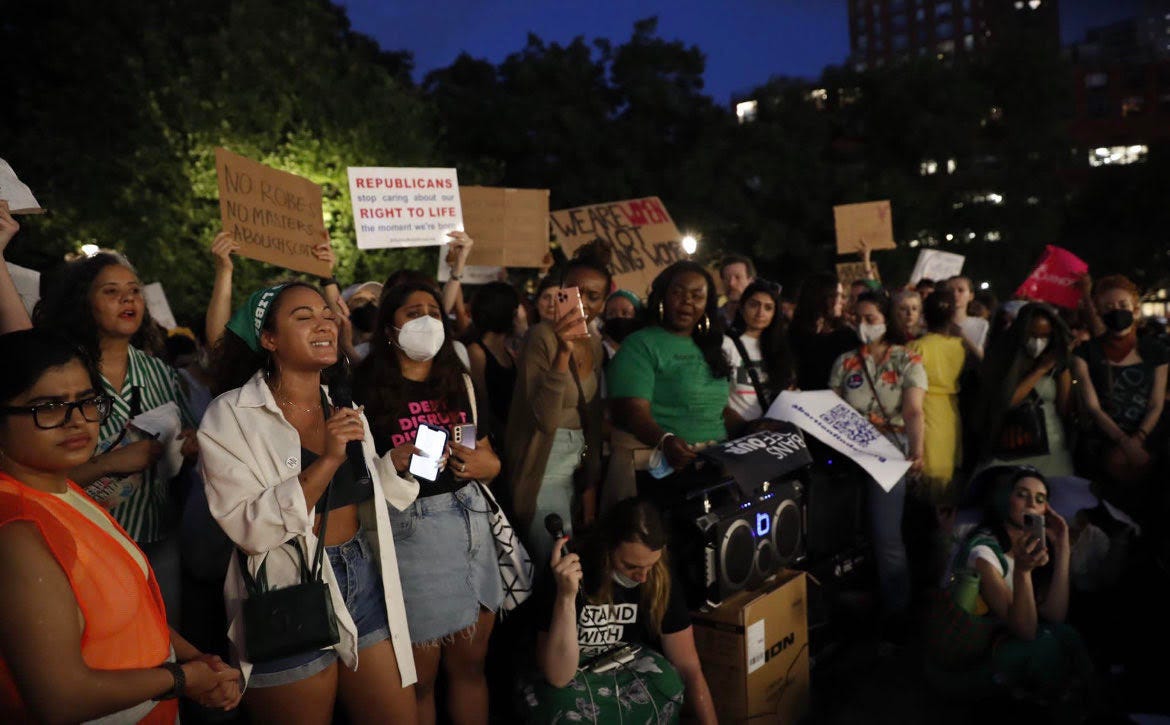
Reproductive health, rights, and justice advocates prefer to use the term “anti-choice” or “anti-abortion” (often shortened to simply “anti” or “antis” if referring to a group) rather than “pro-life”. We do this intentionally because we know there is nothing “pro-life” about forcing pregnancy and childbirth on people. We also know that the folks who claim to be “pro-life,” are against universal childcare, housing, fair wages, environmental protections, and a host of other programs and policies that would actually make the world livable for the most vulnerable. Anti-abortion policies are not and have never been about preserving life. They have always been about controlling bodies, people, and whole communities.
But while it is easy to label the loudest protestors and right-wing advocates as “antis,” it can be harder to recognize the ways their beliefs have also crept into our own thinking, even among those of us who deeply support bodily autonomy.
Take a moment and really think about it. How does abortion stigma show up in your language, your jokes, your assumptions? Where is the “anti” within?
A friend of mine recently found herself unexpectedly pregnant. She was clearly distressed and when she shared the news with me, I gently asked her what she wanted to do. Appalled, she looked at me, “what do you mean?” with a tone of disgust. She was clearly offended that I was asking if she was considering abortion. Once it became clear that she had already chosen to continue the pregnancy, I offered my support and we moved on.
But the moment really stood out to me. Why was that question so offensive to her? She knows what I do for work and she supports it. In fact, she has even donated to my organization before. Was the question offensive because she considers herself generally financially stable, or perhaps because she is in a relationship, or maybe because she’s well in her 30’s? Does she not, or no longer, think of herself as the type of person who needs or gets an abortion?
Abortion stigma shows up when we shy away from using the word abortion and instead opt for other more safe or vague words (think ‘choice’ or ‘reproductive health’). It can also show up in the assumptions around abortion being inherently sad or traumatic.
Stigma most often shows up in who we believe needs or gets abortions (perhaps teenagers, working class people, survivors of sexual violence), when we think abortion is appropriate (often the first trimester only), or how many abortions we think are acceptable for one person to have in a lifetime (one is fine, two..uhh, three or more? irresponsible). The truth is everyone needs abortion, and everyone gets abortion—people of all incomes, ages, races, and religions. If we actually believe in full bodily autonomy, and that abortion is healthcare, then we should have no issue about who, when, or how many abortions someone has. This is especially true at a time when democracy, civil rights, and bodily autonomy are being attacked at unprecedented rates.
At NYAAF, “we dream of a world of true abortion freedom: one without barriers, criminalization, or stigma. A world where all reproductive outcomes are honored and celebrated.” We cannot get to this world without first practicing it within ourselves and our communities.
Being an advocate or supporter doesn’t mean being perfect. We are allowed to be messy, to admit when we’re uncomfortable, to acknowledge when we’re being judgemental, to struggle, and to grow. Because if we’re serious about changing the culture, and eventually the laws, around abortion, we have to be willing to confront our own bias too.
The journey to eradicating abortion stigma, and ultimately to achieving full reproductive freedom, begins by acknowledging, and then combatting, the ‘anti’ within.
🫶🏼